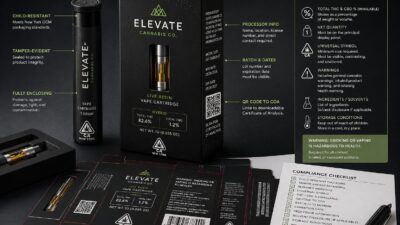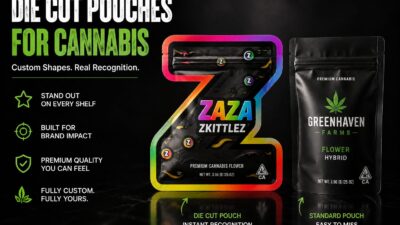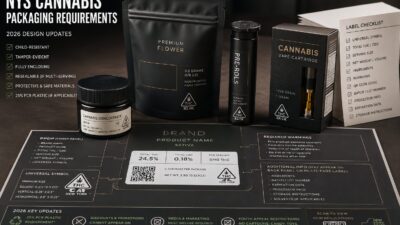

Cheap cannabis packaging can look like a smart move when you are trying to protect margin on a new drop. But the lowest unit price can create a different cost later: dry flower, stale terpenes, weak seals, leaky odor control, and products that feel old before the customer ever opens them.
Packaging is not just the thing your logo goes on. It is part of the preservation system. Specifically, the bag, jar, tube, or box has to control oxygen exposure, moisture movement, light exposure, contamination, and reseal performance. When those details get ignored, shelf life starts falling apart.
For cannabis brands, this matters because the product has a short window to make the right impression. A customer can forgive a simple design. They are less likely to forgive flower that smells muted, pre-rolls that burn harsh, edibles that feel poorly protected, or concentrates that show up in packaging that does not feel stable.
Why cheap cannabis packaging can cost more than it saves
The cheapest packaging usually saves money in the most visible place: the invoice. However, it can create losses in places that are harder to track. Returns, complaints, slow sell-through, damaged retail relationships, and weaker repeat purchases all cost more than a few cents saved per unit.
For example, a pouch with poor film structure may not hold the same oxygen or moisture barrier as a better pouch. A weak zipper may close in your hand during production, but fail after the customer opens it a few times. Also, a low-quality seal area can undo the benefit of the material itself.
That is why cheap cannabis packaging should never be judged by price alone. The better question is simple: will this package protect the product through filling, transport, retail storage, customer handling, and repeat use?
How packaging protects cannabis shelf life
Cannabis changes after harvest. Even when flower is cured well, the product remains sensitive to oxygen, humidity, light, heat, and handling. Research has shown that storage conditions can affect cannabinoid and terpene quality, with light, air, and temperature all playing a role in degradation.
A good package cannot fix bad cultivation or bad processing. However, it can protect the quality that already exists. This is where many brands get the packaging decision wrong. They compare printed bags only by how they look, not by how they perform.
Oxygen exposure weakens product quality
Oxygen is one of the biggest reasons packaging materials matter. In flexible packaging, oxygen transmission rate, often called OTR, measures how much oxygen passes through a film over time. Lower OTR generally means a stronger oxygen barrier.
This matters because oxygen supports chemical reactions that can change flavor, aroma, and product quality. Packaging science uses OTR to compare barrier performance. Also, seal integrity matters just as much because a good film with a bad seal can still allow oxygen into the package.
For flower and pre-rolls, oxygen exposure can flatten aroma and contribute to a stale experience. For edibles, oxygen can affect fats, oils, flavor systems, and texture depending on the formulation. Therefore, the lowest-cost film is not automatically the right film.
Moisture problems create dry flower or risky products
Moisture control is another place where cheap cannabis packaging can create problems. If a package lets too much moisture escape, flower can become dry, brittle, and harsh. If the package traps the wrong moisture level or the product is filled improperly, some product types can face a higher quality risk.
The goal is not to make the package airtight in a vague way. The goal is to choose the right structure for the product inside. Flower, gummies, chocolates, concentrates, and pre-rolls do not all need the same packaging setup.
For example, flower may need a strong barrier pouch or jar that helps preserve aroma and texture. Edibles may need packaging that protects against oxygen, moisture, and temperature swings based on the ingredient list. This is why product format matters before artwork, finishes, or price.
Light exposure breaks down cannabinoids faster
Light exposure is not just a cosmetic issue. A classic cannabis stability study found that exposure to light was the greatest single factor in cannabinoid loss in the tested samples, while air oxidation also led to significant losses. The same study concluded that prepared cannabis materials were more stable when stored in the dark at room temperature.
More recent research has also studied cannabinoid photodegradation in cannabis plant material. In one experiment, THC and CBD degraded under simulated sunlight exposure, with oxygenated conditions producing major losses in the tested samples.
That does not mean every package must be fully opaque for every cannabis product in every situation. But it does mean brands should think carefully about clear windows, transparent jars, display placement, and packaging that may sit under bright retail lighting. A window can help sell the product, but it should not create unnecessary shelf-life risk.
Weak seals turn good materials into bad packaging
A package is only as strong as its weakest closure point. The film can be high barrier, the design can look great, and the print can be clean. But if the seal fails, the zipper leaks, or the closure does not reclose well, the product protection drops.
This is where cheap suppliers often cause problems. They may offer a lower unit price by cutting material quality, using weaker closure systems, or providing less consistent finishing. At first, that difference may not show up in a photo. Then the product goes through production, shipping, retail storage, and repeated customer use.
For multi-use products, reseal performance matters even more. New York packaging guidance says adult-use cannabis retail packages must fully enclose the product, protect against oxygen exposure, contamination, and degradation, and be resealable when the package contains multiple servings. It also says packages must be child-resistant for the entire lifespan of the product.
Cheap cannabis packaging creates hidden operating costs
The first hidden cost is product waste. If a batch dries out, loses aroma, or feels old, the brand takes the hit. Even if the package technically held the product, it failed if it did not preserve the experience customers expected.
The second hidden cost is retail trust. Dispensaries and buyers care about sell-through, complaints, returns, and how products look after sitting on the shelf. If a brand’s packaging makes the product feel inconsistent, buyers notice.
The third hidden cost is brand positioning. A premium product in weak packaging creates doubt. Customers may not know what OTR, MVTR, film structure, or seal integrity mean. However, they know when flower smells weak, when a zipper feels cheap, or when a pouch looks beat up before they open it.
As a result, cheap cannabis packaging can make a good product feel average. Worse, it can make a strong cultivation or processing team look careless at retail.
What quality cannabis packaging should protect against
Quality cannabis packaging should match the product, not just the budget. Before choosing the cheapest option, brands should ask what the package needs to protect against.
For flower, the key concerns are aroma, texture, light exposure, oxygen, and crush protection. For pre-rolls, packaging must protect the flower and the shape of the roll. Also, tubes need to close securely and feel clean in the customer’s hand.
For edibles, the package must account for ingredients, serving count, moisture, oxygen, temperature sensitivity, and labeling space. For concentrates, the jar, cap, liner, and outer box all influence the experience. Plus, leakage, residue, and poor fit can make the product feel lower quality than it is.
In short, the right package starts with the product. Then the brand can choose the best format, finish, and design system around it.
How custom cannabis packaging protects shelf life at retail
Custom cannabis packaging gives brands more control over the full package. That includes size, material, structure, closure, finish, and product fit. Instead of forcing every SKU into the cheapest stock option, the package can be built around how the product is sold and stored.
For example, a flower brand may choose a direct print pouch with a stronger barrier film, a reliable zipper, a tear notch, and a finish that matches the shelf position. A concentrate brand may need custom jars with a properly fitted cap and a box that protects the unit in transit. A pre-roll brand may need tubes that hold the roll securely without crushing or rattling.
Also, better packaging makes the buying experience feel more intentional. That does not mean the brand needs to overspend. It means the brand should stop treating packaging like a disposable line item and start treating it like product protection.
At Beast Coast Packaging, brands can build custom bags, boxes, jars, and pre-roll tubes with low minimums starting at 500 pieces, a free digital proof before printing, and an estimated three-week turnaround from proof approval. Available options include glossy, matte, soft touch, metallic, clear, frosted, spot UV, and foil stamp finishes, plus add-ons like zip locks, tear notches, hang holes, degassing valves, clear windows, and child-resistant zippers.
Get a quote for custom cannabis packaging that protects the product
The cheapest quote is not always the cheapest decision. If the package hurts aroma, texture, potency perception, compliance, or retail trust, the savings disappear quickly.
Before placing an order, look at the full job the package has to do. It needs to protect the product, support the label requirements, hold up through shipping, look clean on the shelf, and still feel reliable after the customer opens it.
If you are comparing cheap cannabis packaging against a better custom option, send the product details before you decide. Beast Coast can help you choose the right bag, box, jar, or tube based on the product format, shelf-life needs, branding goals, and compliance requirements.