METRC in NYS is changing how cannabis operators manage packaging, labels, inventory, transfers, and retail sales. New York’s seed-to-sale system is built to track regulated cannabis products as they move through cultivation, processing, packaging, lab testing, transfers, and final sale. The New York Office of Cannabis Management says licensees must use an electronic inventory tracking system capable of integrating with New York’s seed-to-sale tracking system, Metrc.
For operators, the practical issue is simple: product data has to be clean before the product moves. If your inventory records, packaging files, item IDs, batch details, and labels do not match, those problems can create delays during transfers, retail intake, reorders, or compliance review.
What METRC is
METRC stands for Marijuana Enforcement Tracking Reporting Compliance.
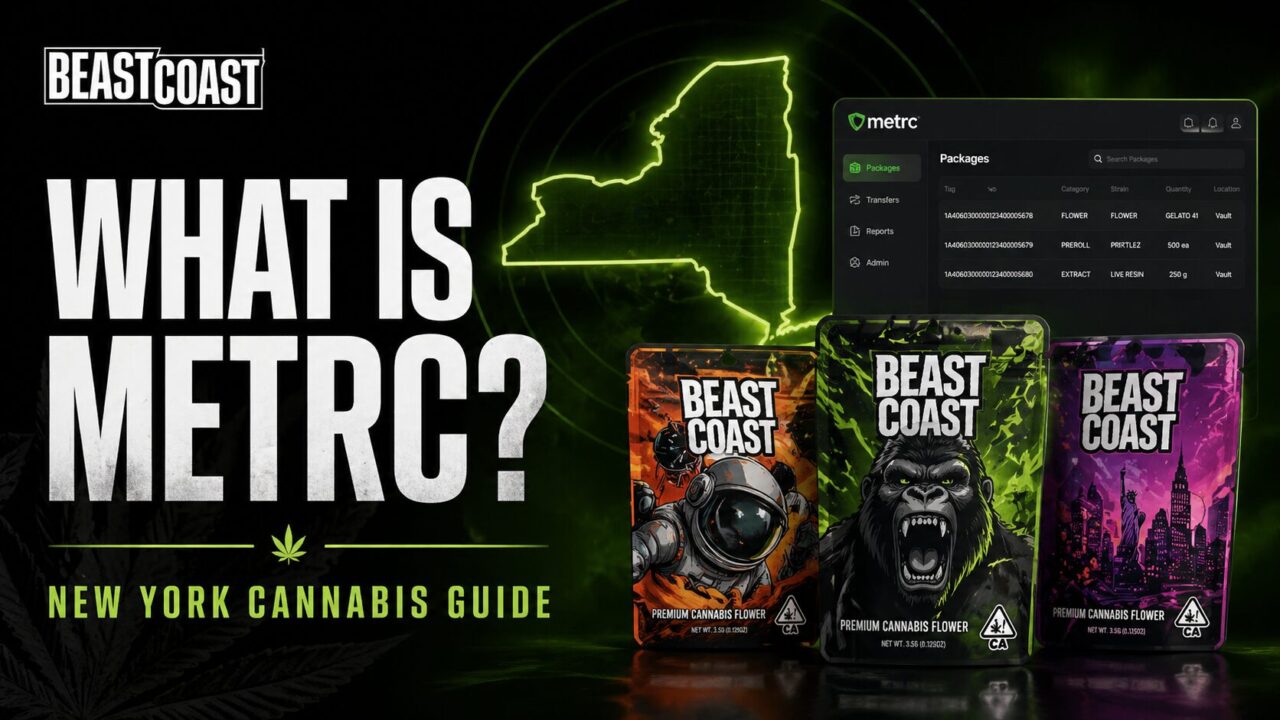
It is the seed-to-sale tracking system New York is using to monitor regulated cannabis products through the licensed supply chain. Metrc’s New York page explains that licensed cannabis businesses are required to use the state’s seed-to-sale tracking system to monitor products through cultivation, processing, distribution, testing, and retail sales.
The system creates records around cannabis inventory and the actions taken on that inventory. That can include product creation, package creation, testing, transfers, sales, returns, adjustments, and destruction.
The point is traceability. A regulated cannabis product should have a clear record showing where it came from, how it moved, and where it ended up.
How seed-to-sale tracking works
Seed-to-sale tracking follows cannabis through the regulated supply chain.
That does not always mean every individual seed is tracked from the ground. It means plants, harvested material, bulk material, packaged goods, and finished products are documented as they move through licensed businesses.
A typical tracked workflow may include:
- cultivation activity
- harvest records
- processing or manufacturing activity
- package creation
- lab testing
- inventory adjustments
- wholesale transfers
- retail intake
- consumer sales
- returns or destruction
Each action creates a record. Those records help regulators and operators account for inventory, verify legal movement, support recalls, and reduce the risk of product being diverted outside the licensed market.
Why METRC in NYS matters now
New York’s cannabis market is becoming more structured around seed-to-sale tracking. OCM has worked with Metrc on the statewide seed-to-sale system and announced licensee integration requirements, including credentialing deadlines for licensees.
That matters because loose internal systems become harder to manage once products are moving through a formal tracking system.
Common weak points include:
- product names entered differently across systems
- SKUs without a clear structure
- packaging files with outdated product information
- batch details that are hard to verify
- old label versions still being used
- inventory records that do not match physical products
- retail units missing required tracking information
- poor communication between compliance, operations, design, sales, and packaging
These are not just administrative problems. They can affect product movement, packaging approvals, transfer readiness, and retail acceptance.
How METRC in NYS affects packaging
Packaging is where product data becomes physical.
Your pouch, box, jar, tube, or label has to match the product information being used in your inventory and compliance workflow. If the system says one thing and the packaging says another, the issue can show up during a transfer, retail intake, reorder, or audit.
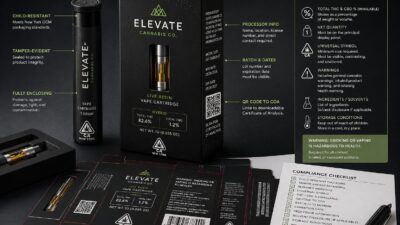
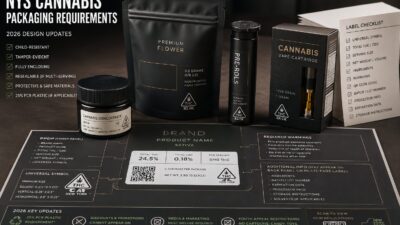
Packaging details that need to be checked carefully include:
- product name
- product type
- net weight or unit count
- SKU
- batch or lot information
- item ID
- package ID
- barcode or QR code requirements
- testing status
- THC and CBD information
- warning language
- license information
- required symbols
- label version
OCM has also published guidance around finished goods received by dispensaries needing Retail Item ID QR codes and required testing status before transfer. That makes packaging accuracy and retail unit tracking especially important for operators moving finished goods into dispensaries.
Product names need to match everywhere
One product should not have multiple names across your business.
If your inventory sheet says “Gelato 41 3.5g,” your packaging file says “Gelato 41 Flower,” your sales sheet says “Gelato Eighth,” and your compliance record uses another variation, your team is creating unnecessary friction.
Pick one naming structure and use it across:
- inventory records
- compliance records
- packaging files
- order forms
- wholesale menus
- retail menus
- invoices
- reorder documents
Small naming differences feel harmless until a team is trying to match product records, packaging files, and transfer information under pressure.
SKUs need a real structure
A SKU should help your team identify the product quickly.
A weak SKU system creates confusion during reorders, quoting, production, inventory review, and packaging approval. A strong SKU system makes it clear what the product is without needing someone to remember the full context.
A useful SKU structure can include:
- product category
- strain or flavor
- size
- format
- unit count
- version or package type
The exact structure matters less than consistency. Once a SKU system is created, the team needs to use it the same way every time.
Product data needs one source of truth
Critical product information should not live across old emails, text messages, random spreadsheets, design files, and sales notes.
Each SKU needs one master product record.
That record should include:
- approved product name
- product category
- strain or flavor
- size or net contents
- SKU
- item ID
- package ID if applicable
- batch or lot rules
- label copy
- warning language
- barcode or QR requirements
- compliance symbols
- packaging format
- artwork version
- approval status
That master record should be the reference point for packaging, inventory, compliance, sales, and reorders.
Artwork approval needs to be tighter
Packaging should not go to print until the product data has been checked.
Before approval, review:
- product name
- SKU
- net weight
- unit count
- batch or lot fields
- barcode or QR code placement
- required warnings
- license information
- cannabinoid information
- spelling
- compliance symbols
- artwork version
This matters even more with direct print packaging because the artwork is printed directly onto the bag, box, or pouch. Beast Coast’s direct print bag page describes direct print bags as full-color printing applied directly onto the material, creating a clean branded look without extra labels or overlays.
Direct print looks more professional, but it also means mistakes need to be caught before production.
Direct print packaging needs clean data early
Direct print packaging is built around the final artwork file.
Beast Coast’s own direct print content explains that direct print bags can include design across the front, back, bottom, and sometimes inside of the bag. That makes the packaging feel more complete and official, but it also makes planning more important.
If product information changes after approval, the team may need to update artwork, delay production, or reorder packaging. That is why compliance details should be reviewed before print files are finalized.
For cannabis operators, direct print packaging should be treated as both a branding asset and an operational asset. It helps the product stand out on the shelf, but it also needs to carry accurate product information.
Packaging should be planned before the launch gets rushed
Packaging problems usually happen when the team waits too long.
A product launch should not reach the packaging stage with unfinished product names, unclear SKUs, missing batch rules, or uncertain label details.
A cleaner process looks like this:
- product details are finalized
- SKU is created
- compliance details are reviewed
- packaging format is selected
- artwork is built
- label information is checked
- approvals are documented
- print production begins
- reorder files are stored properly
Beast Coast lists direct print products as having a longer production window than label-applied products, so operators should build packaging into the launch timeline earlier instead of treating it like a last-minute task.
METRC affects more than the compliance team
METRC is not only a compliance task.
It touches multiple parts of the business:
- owners
- operators
- compliance teams
- inventory managers
- production teams
- packaging coordinators
- designers
- procurement teams
- sales teams
- retail intake teams
One bad data change can spread quickly. If a product name changes in one place and not another, the packaging, inventory records, sales sheet, and transfer details can fall out of alignment.
The fix is not complicated. The team needs a clear process for who can change product data, where the master record lives, and how packaging files get approved.
Common mistakes to avoid
Most METRC problems come from weak internal systems.
The most common mistakes include:
- using different product names for the same SKU
- creating SKUs without a consistent structure
- approving packaging before product data is final
- reordering from old artwork files
- using outdated label versions
- storing product details in too many places
- waiting until transfer time to check information
- assuming packaging is only a design issue
- failing to train the team on how data errors affect operations
These problems are preventable. They usually require better process discipline, not a more complicated system.
How Beast Coast Packaging helps
Beast Coast Packaging helps cannabis brands create packaging that looks strong and supports a cleaner operational workflow.
That includes custom bags, Mylar bags, exit bags, pre-roll pouches, and direct print bags designed around each brand’s packaging needs.
For operators preparing for METRC in NYS, the packaging conversation should include:
- product naming
- SKU structure
- direct print artwork setup
- label accuracy
- version control
- compliance-related print details
- reorder consistency
- packaging timelines
Strong packaging should make the product easier to sell and easier to manage. If the design looks good but the product data is wrong, the packaging is still a problem.
Final thoughts
METRC in NYS is a tracking system, but the bigger issue is operational discipline.
New York cannabis operators need clean product names, structured SKUs, accurate packaging files, clear approval workflows, and one reliable source of truth for product data.
Once products move through the regulated supply chain, small inconsistencies can become expensive. Clean data, clean packaging files, and clean team communication make METRC easier to manage.